


An empty field.
Nothing but dirt and empty space. It's so damn quiet out there, you can practically
hear yourself think.
You stand there for a moment — and you get this feeling, like anything could happen
here.
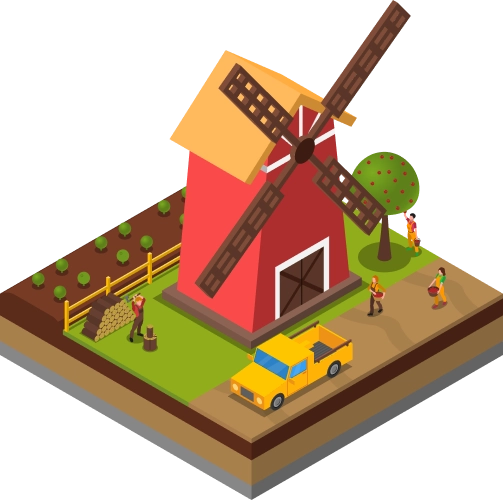
The first harvest is never the point
At the start, everything feels simple.
Plant. Wait. Harvest.
It works.
But then the next cycle comes —
and something is different.
The soil reacts differently.
Growth slows in one place, accelerates in another.
What worked before... doesn't quite work now.
You realize:
This field doesn't repeat itself.
It evolves.
Time changes more than crops
You begin to pay attention. Not just to what you plant — but to when, and where.
Some areas hold moisture longer. Some become less fertile over time.
Some spots take forever
to do anything, but then you've got these other areas where if you're not paying attention,
you'll totally miss your window.
You test different rhythms:
planting earlier
waiting longer
expanding outward instead of filling in
And slowly, the field stops being random. It becomes something you can read.
Nothing stays optimal for long
Your second cycle improves.
Your third — even better.
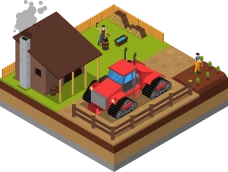
You expand. You optimize. Everything starts to feel efficient.
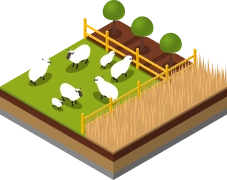
Just when I thought I had it all figured out, boom - everything changed again.
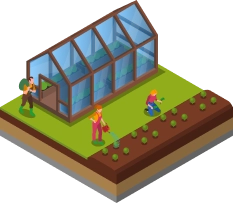
A once-productive area weakens. A neglected section becomes unexpectedly rich.
That's when it becomes clear:
You're not building a system to last forever.
You're adapting to something that keeps changing.

The field remembers
how you use it
Every action leaves a trace
Planting the same area repeatedly changes the soil.
Harvesting too quickly affects future growth.
Ignoring parts of the field lets them recover — or evolve.
This isn't just a simulation.
It's a conversation between you and the land.
You don't control everything. But you influence more than you think.
And over time, you stop asking: "What gives the most right now?"
You start asking:
"What will still work later?"